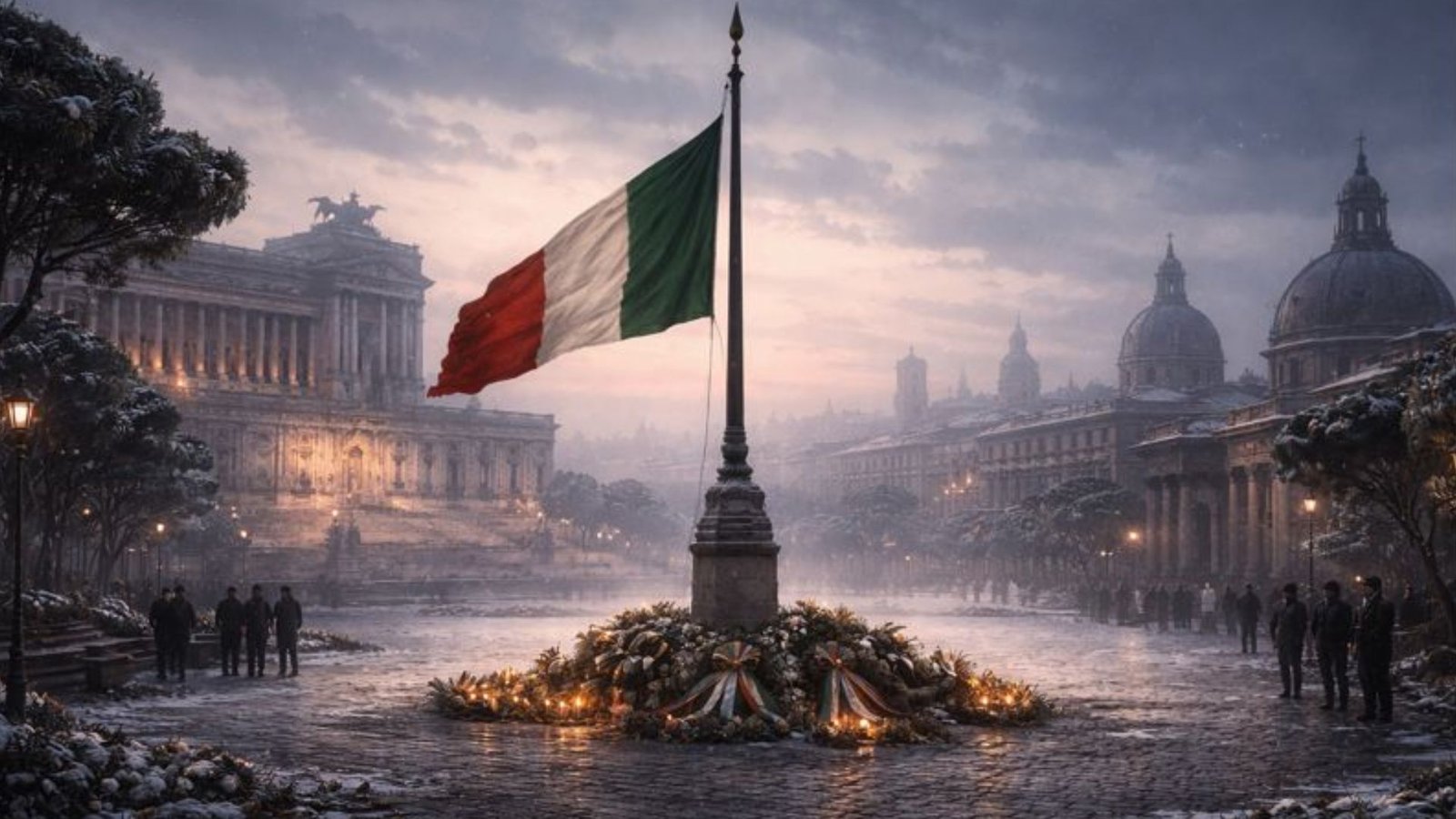
January 13 repeatedly appears in history as a moment of tension, where human ambition, the cost of mistakes, and the force of ideas collide. It is not a date of quiet continuity, but a day that records decisive turning points—events that remain embedded in collective memory and continue to shape the course of history over time.
Across different years, January 13 has marked the birth of a national symbol, a peacetime tragedy with heavy human losses, and the passing of a figure who transformed the language of visual culture. These events are not directly connected, yet they share a common meaning: they reveal how individual decisions, responsibility, and vision can influence societies on a large scale.
The history of this date unfolds through concrete facts, measurable outcomes, and lasting consequences. For this reason, January 13 stands not as an ordinary calendar day, but as a concentrated reflection of ambition, accountability, and conflict within modern history.

1910 — the formation of the Italy national football team and the beginning of a record-driven history
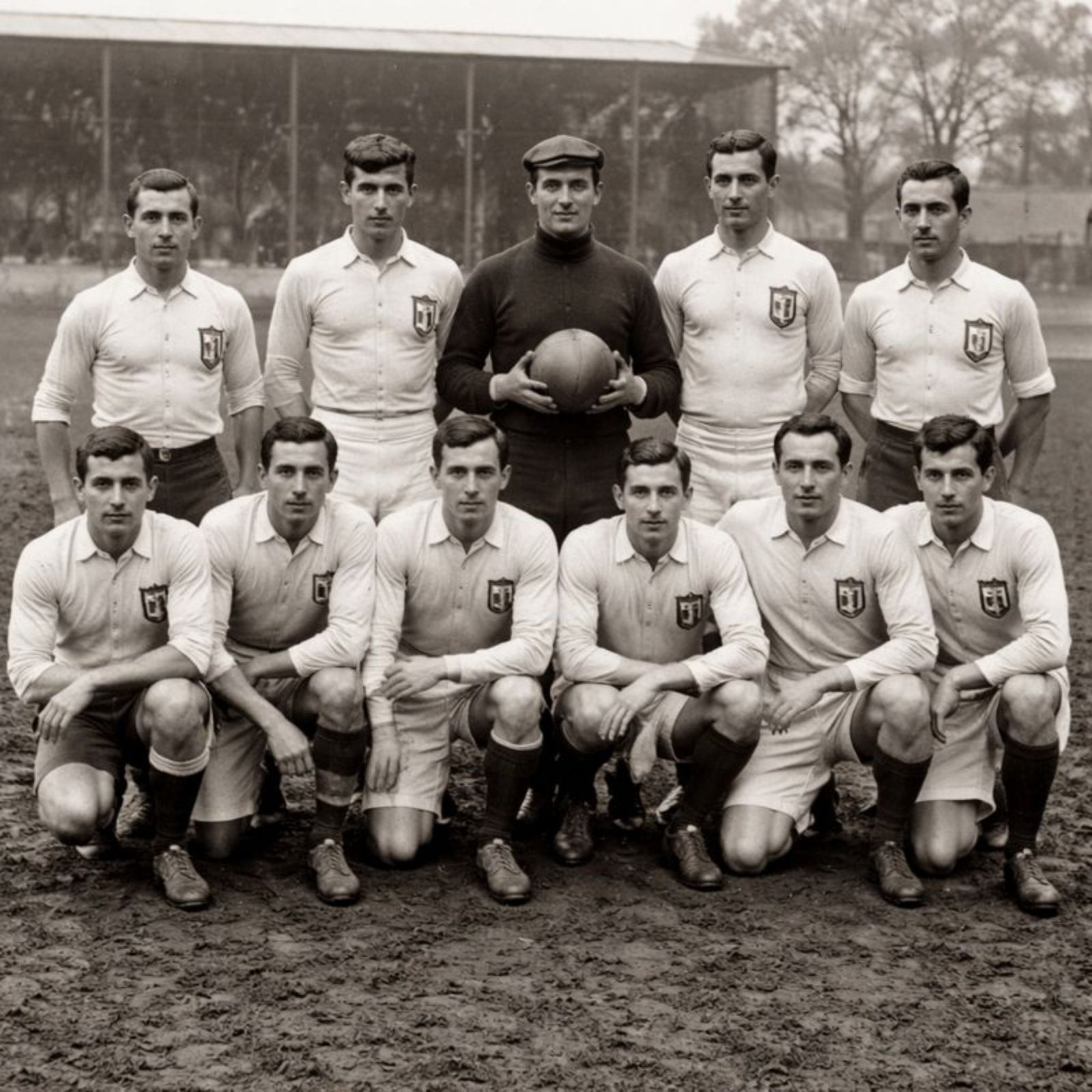
January 13, 1910 marks a foundational date in Italian sports history. On that day, the formal process of creating a national football team was initiated, transforming football in Italy from a collection of local and regional practices into a unified national project. From this moment onward, Italian football developed along a measurable path defined by official matches, tournaments, titles, and statistics that would place Italy among the most successful national teams in world football.
Early years and first results (1910–1929)
Following the January 1910 decision, Italy played its first official international match on May 15, 1910, in Milan against France. The result was an emphatic 6–2 victory. In the same year, Italy played two additional official matches, winning both. By the outbreak of World War I, the national team had played 11 official matches, recording 7 wins, 2 draws, and 2 losses.

Italy competed at the 1912 Olympic Games, reaching the quarterfinals, and at the 1920 Olympics, where the team finished in fourth place. This fourth-place finish represented Italy’s first significant result in a major international tournament. During this early phase, Italy maintained a win percentage of over 60%, a notable figure for a newly formed national side still defining its identity.
World dominance begins (1934–1938)
The decisive breakthrough came in the 1930s. At the 1934 FIFA World Cup, hosted by Italy, the national team won the tournament, defeating Czechoslovakia 2–1 after extra time in the final. This victory delivered Italy’s first World Cup title.
Four years later, at the 1938 World Cup in France, Italy confirmed its dominance by beating Hungary 4–2 in the final. This achievement made Italy back-to-back world champions, a rare accomplishment that established the team as a global powerhouse.
By the end of the 1930s, Italy’s record included:
2 FIFA World Cup titles (1934, 1938)
Olympic gold medal (1936)
More than 70 official matches played
A win rate exceeding 65%
Post-war difficulties and rebuilding (1948–1966)
After World War II, Italian football entered a challenging period. Italy participated in the 1950 and 1954 World Cups but failed to advance beyond the group stage in both tournaments. The most dramatic setback came at the 1966 World Cup, when Italy was eliminated in the group stage after a 1–0 defeat to North Korea.
Despite these disappointments, Italy remained a constant presence in international football. The national team continued to qualify for major tournaments, accumulating experience and maintaining a strong organizational structure that would later support a return to the top level.
Return to the summit: Europe and the world (1968–1982)
The turning point arrived in 1968, when Italy won the UEFA European Championship. After a draw in the initial final against Yugoslavia, Italy won the replay 2–0, securing its first European title.
In 1982, Italy captured its third FIFA World Cup, defeating West Germany 3–1 in the final in Spain. This victory restored Italy’s status among the elite of world football. By that point, Italy’s historical record included:
3 World Cup titles (1934, 1938, 1982)
1 European Championship (1968)
Over 400 official matches played
The fourth star and modern achievements
The 2006 World Cup in Germany marked another historic peak. Italy defeated France in the final via penalties 5–3, following a 1–1 draw after extra time. This victory delivered Italy’s fourth World Cup title, symbolized by the fourth star added above the team crest.
In 2021, Italy won its second European Championship (Euro 2020, played in 2021), defeating England in the final on penalties 3–2 after a 1–1 draw. This triumph confirmed Italy’s ability to compete and win at the highest level even in the modern era of football.
Overall historical record
Across more than a century of competition, Italy’s achievements are among the most substantial in international football:
4 FIFA World Cup titles (1934, 1938, 1982, 2006)
2 UEFA European Championships (1968, 2020)
2 Olympic bronze medals (1928, 2004)
Over 800 official matches played
More than 450 victories
An all-time win percentage of approximately 55%
The significance of January 13, 1910
All of these results trace back to a single starting point: January 13, 1910. That date represents the beginning of a structured, measurable football history defined not by symbolism alone, but by documented outcomes, titles, and statistics. The formation of the Italian national team laid the foundation for one of the most successful records in the history of international football.
This first article of the January 13 trilogy establishes the origin of a journey that, through precise results and verified achievements, transformed football into one of the clearest expressions of Italian national identity.
2012 — the Costa Concordia disaster off the coast of Isola del Giglio
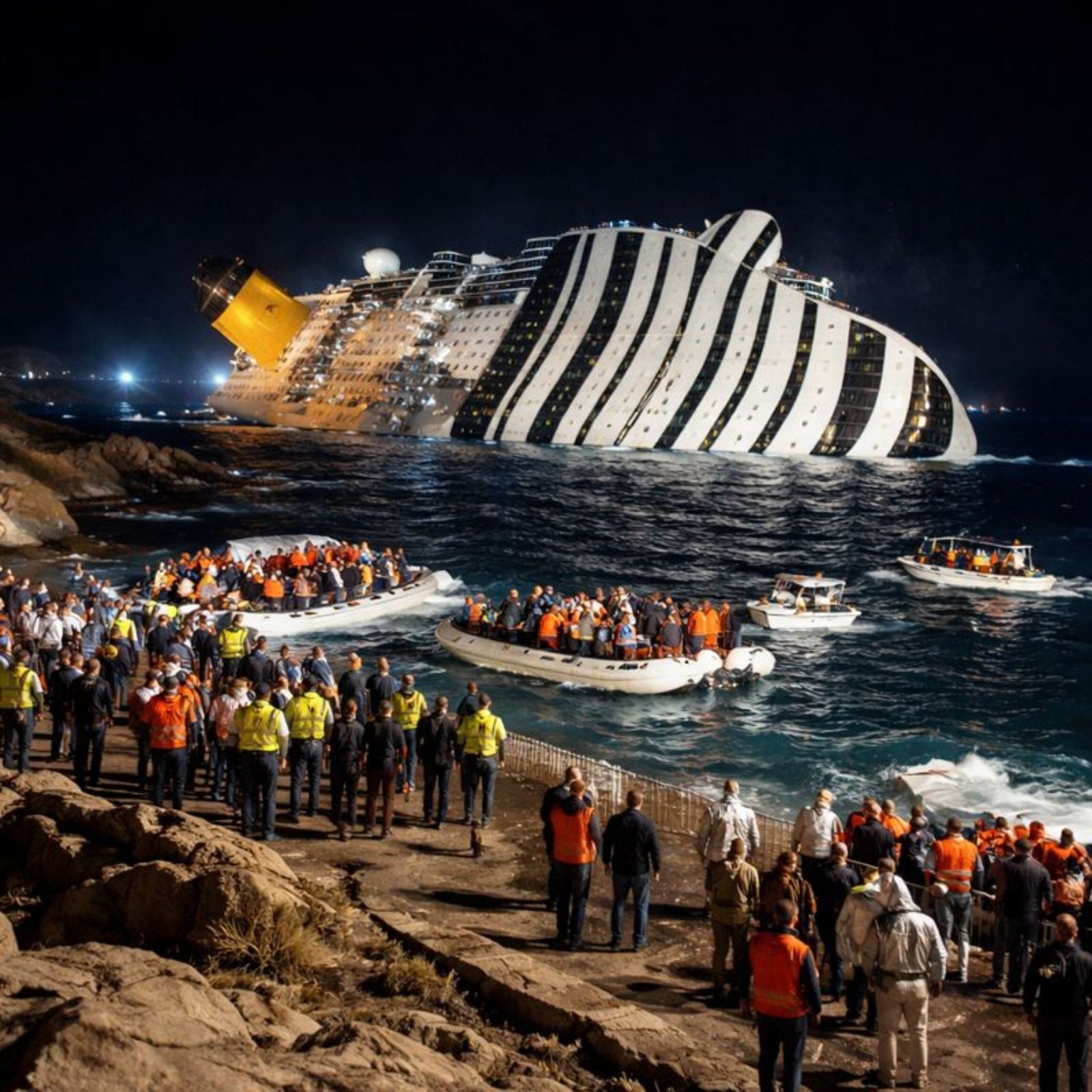
January 13, 2012 is a date that left a deep mark on modern Italian history and on international passenger shipping. On that winter evening, the cruise ship Costa Concordia struck submerged rocks approximately 500 meters from the port of the Isola del Giglio, causing one of the most serious maritime disasters in peacetime. The impact created a breach of about 70 meters in the hull; the vessel rapidly lost propulsion and electrical power, developed a severe list, and eventually came to rest on its side close to the shoreline. The human toll was heavy: 32 people lost their lives, 80 were injured, 2 were initially reported missing, while all 4,229 people on board, including passengers and crew, were evacuated.
The ship and the context of the voyage
Commissioned in 2006, Costa Concordia was considered a flagship of the modern cruise industry. Measuring over 290 meters in length and with a gross tonnage exceeding 110,000 tons, the ship featured theaters, restaurants, swimming pools, and hundreds of passenger cabins. The voyage on January 13 was part of a standard Mediterranean itinerary, with scheduled stops at Italian and international ports.

That evening, however, the ship approached the Isola del Giglio at an unusually short distance from the coast. This maneuver, informally known as a “salute to the island,” was not included in the official navigation plan and significantly reduced safety margins in an area characterized by rocky seabeds and complex nautical charts.
The impact and loss of control
At approximately 9:45 p.m., while traveling at a speed exceeding 15 knots, the hull came into contact with a submerged rock formation. The collision tore open the port side of the ship, compromising multiple watertight compartments and flooding the engine room. Within minutes, the vessel lost all electrical power, propulsion, and critical onboard systems.
Driven by wind and currents, Costa Concordia began to drift and slowly rotate before running aground near the coast. The list increased dramatically, rendering many interior areas inaccessible and making emergency operations extremely difficult.
Evacuation under critical conditions
On board were passengers of many nationalities, including families with children and elderly travelers. The evacuation took place under extremely challenging conditions: darkness, sharply inclined decks, confusion, and incomplete communication. Several lifeboats could not be deployed due to the severe list, forcing alternative evacuation methods and prolonging rescue times.
Despite these difficulties, the evacuation was completed. The residents of the Isola del Giglio played a crucial role, providing immediate assistance, shelter, clothing, and medical support to the survivors. Their response was widely recognized as an example of solidarity and civic responsibility in an emergency.
Victims and injured passengers
The disaster resulted in 32 fatalities, most of whom were trapped in lower compartments during the initial phase of the accident. Eighty people suffered injuries of varying severity, including fractures, contusions, hypothermia, and long-term psychological trauma. Two passengers were initially listed as missing; extensive and hazardous search operations later led to the recovery of their bodies from within the wreck.
Each victim underscored the reality that even ships equipped with advanced technology remain vulnerable when human error intervenes.
Environmental impact and removal operations
Following the evacuation, the ship remained partially submerged near the island for more than two years. The area was environmentally sensitive, making the prevention of fuel leaks and ecological damage a top priority. One of the most complex maritime engineering operations ever undertaken was launched: stabilizing the wreck, carefully righting it, and ultimately towing it to a port equipped for dismantling.
The operation required advanced technology, thousands of work hours, and an investment amounting to hundreds of millions of euros. The complete removal of the vessel marked the end of a prolonged and delicate phase, closely followed by international media and environmental authorities.
Regulatory and cultural consequences
The Costa Concordia disaster had immediate repercussions for maritime safety regulations. Rules governing coastal navigation were tightened, evacuation procedures were revised, and oversight of captain and officer training was strengthened. The case became a reference point in maritime academies and safety studies worldwide, illustrating how deviations from established procedures can produce systemic failures.
On a cultural level, the shipwreck left a lasting impression on public consciousness. The contrast between the image of luxury and safety associated with cruise travel and the reality of the night of January 13 profoundly affected public perception.
A date that remains in history
January 13, 2012 represents a clear turning point in the perception of maritime safety. The Costa Concordia disaster demonstrated that even in an era of advanced technology, individual responsibility and strict adherence to procedures remain decisive. The image of the ship lying on its side off the coast of the Isola del Giglio became a lasting warning: safety is never automatic and must be constantly upheld through discipline, transparency, and respect for established rules.
2025 — Oliviero Toscani, the man who turned advertising photography into a political act
Oliviero Toscani
(Milano, 28 febbraio 1942 – Cecina, 13 gennaio 2025)
On January 13, 2025, the life of Oliviero Toscani came to an end, closing a decisive chapter in the history of contemporary visual culture. Born in 1942, Toscani was not simply a photographer, but a figure who fundamentally altered the role of images in advertising, media, and public discourse. His work dismantled the idea of photography as a neutral or decorative tool and redefined it as an instrument of confrontation, responsibility, and social tension. His death marks the conclusion of an era in which commercial imagery dared to be openly uncomfortable.
Origins and visual education
Oliviero Toscani was born in Milan into a family already deeply connected to photography. His father worked as a photojournalist for major Italian newspapers, exposing him from an early age to the power of documentary images and to photography as a means of bearing witness rather than embellishment. For Toscani, the camera was never a tool for beautifying reality, but a device for revealing it.

He studied at the Kunstgewerbeschule in Zurich, one of Europe’s most influential schools for applied arts and visual communication. There, he absorbed the principles of modernist design, conceptual rigor, and ethical responsibility in visual language. During this formative period, Toscani developed a belief that would guide his entire career: an image that does not provoke a reaction has failed in its purpose.
Working with global brands
Despite his radical outlook, Toscani collaborated with some of the most prominent fashion and lifestyle brands of the late twentieth century. Over the course of his career, he produced campaigns and editorial work for:
Benetton, his most famous and long-lasting collaboration
Esprit
Valentino
Chanel
Fiorucci
Prénatal
Jesus Jeans
Armani, particularly in early editorial and fashion projects
His partnership with Benetton, beginning in the 1980s, represented a watershed moment in advertising history. Toscani removed the product from the center of the image and replaced it with photographs addressing racism, capital punishment, war, AIDS, religion, migration, and social inequality. The brand logo became secondary; the image itself became a statement. Advertising was no longer about selling clothing, but about forcing society to look at what it preferred to ignore.
A language built on confrontation
Toscani’s visual style rejected glamour and comfort. His photographs were direct, frontal, and often unsettling. They borrowed from documentary photography rather than fashion aesthetics, creating an immediate and unavoidable confrontation with the viewer. Beauty, in the conventional sense, was irrelevant; impact was everything.
He openly argued that advertising, as the most pervasive visual language of modern society, carried an ethical responsibility. If millions of people were exposed to images every day, those images should address real issues rather than fabricate illusions. This stance made him both admired and deeply controversial, positioning him as a constant source of debate within the creative industries.
Controversy and global resonance
Many of Toscani’s campaigns were censored, banned, or legally challenged in different countries. Images depicting death row inmates in the United States, terminally ill AIDS patients, or religious symbols reinterpreted in provocative ways triggered protests and boycotts. Yet these same images entered museums, academic curricula, and cultural debates as examples of radical visual communication.
Toscani became a central figure in discussions about the social responsibility of brands and media. He demonstrated that commercial photography could operate as a form of ethical intervention, capable of generating global conversation at the cost of comfort and consensus.
Later years and continued influence
In his later years, Toscani continued to work, teach, and speak publicly with the same uncompromising tone. He supported educational initiatives, mentored younger photographers, and remained openly critical of the fashion industry, political power, and media conformity. His voice remained sharp, often polarizing, but consistently coherent.
His influence is evident today in social advertising, activist visual campaigns, and contemporary photography that uses shock not as spectacle, but as a tool for reflection. Many current visual strategies that blend commerce and social commentary trace their roots directly to Toscani’s approach.
A lasting legacy
Oliviero Toscani did not leave behind a comfortable legacy. He left behind a method. He proved that images can function as acts of responsibility and that advertising can become a space for ethical conflict rather than passive consumption. He rejected neutrality and insisted that every image carries a position, whether acknowledged or not.
With his death on January 13, 2025, the visual world lost one of its most radical and uncompromising figures. Yet his work remains active, debated, and contested—precisely as he would have wanted. In an age saturated with harmless and disposable imagery, Toscani’s message endures: photography can, and perhaps must, take a stand.
January 12 — three events, three historical fractures
January 11 — dates that shaped Italy’s history
10 January — a date of remembrance in Italian history

January 9 – A Date of Memory, Culture, and Historical Turning Points

January 8 — a date of remembrance for those who changed the future